Few destinations juxtapose ancient and modern quite like Japan, which has been at the forefront of travel for the last few years. You can ride the bullet train from Tokyo, explore cutting-edge architecture and contemporary art, then arrive in a centuries-old village where traditional crafts and customs are still part of daily life.
Our custom trips interweave experiences that showcase Japan’s beautiful nature including hiking, cycling, and kayaking, complemented by opportunities to engage with local residents to learn about Japanese culture through food, tradition, cultivation (eg. tea, buckwheat, and wasabi), and craftsmanship.
If you’ve been wanting to get Japan on the calendar, these insights will help you plan an incredible trip to the islands for friends and families alike.
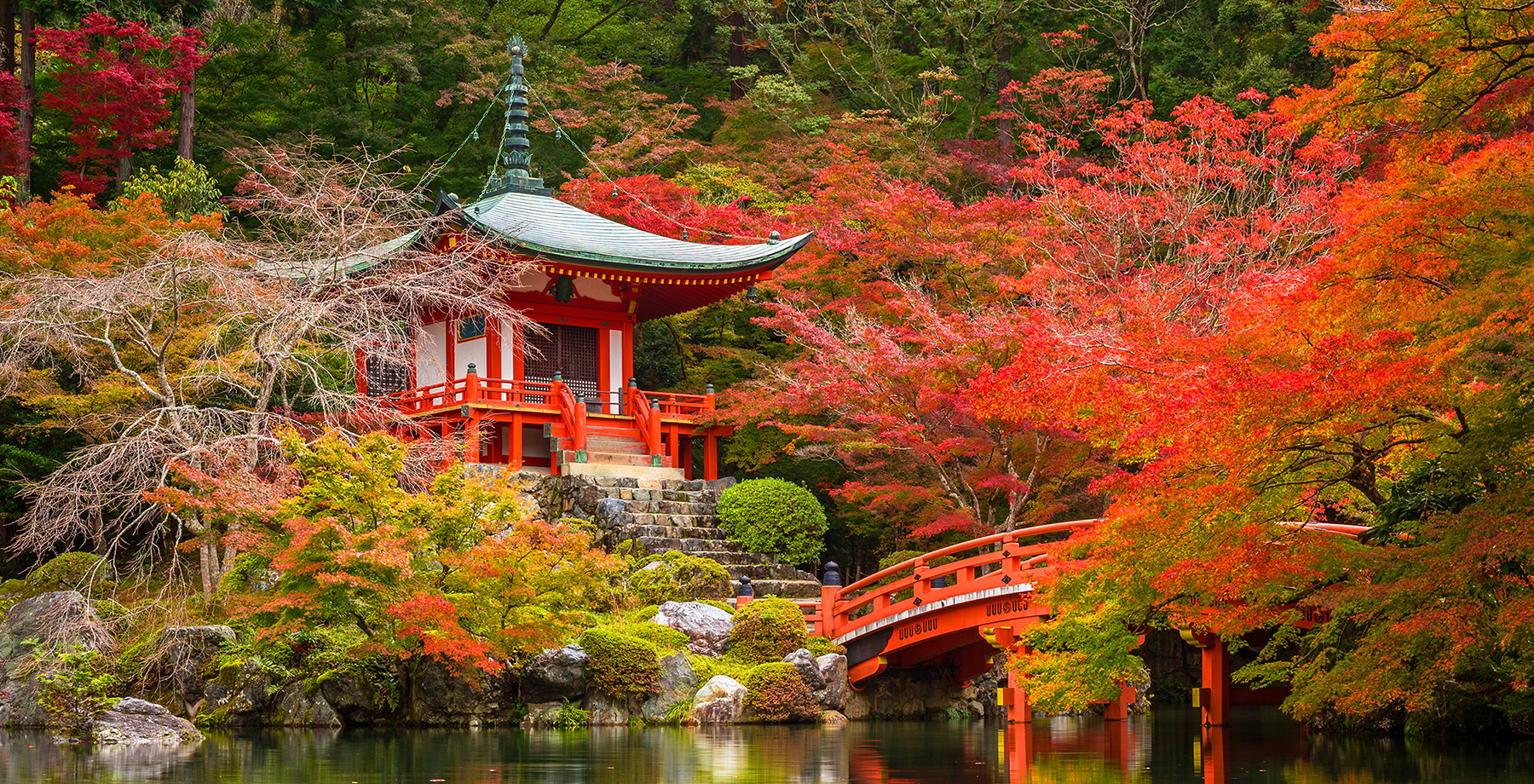
Fall: Changing colors and cooler temps
One of the most beautiful and coveted seasons in Japan, autumn brings cooler temps and beautiful fall colors with shades of red and gold flanking the hillsides. This is a great time to steal views of Mt. Fuji and enjoy walks that are more temperate! Cooler nights make onsen baths the perfect place to unwind after a day’s exploration.
Fall planning tips
Plan early: Late October through November are in high demand in Japan, and regional holidays also increase domestic tourism.
Sumo wrestling: If sumo is on the list, in October, you may be able to see practice in Tokyo in preparation for the Grand Tournament in November. November is tournament season in Fukuoka, so if you’re lucky enough to get tickets, plan to stay overnight. Tickets are extremely limited, and we’ll do our best to help! Otherwise, attend a playful event where you can see retired sumo wrestlers flaunt their craft at evening performances in Tokyo.
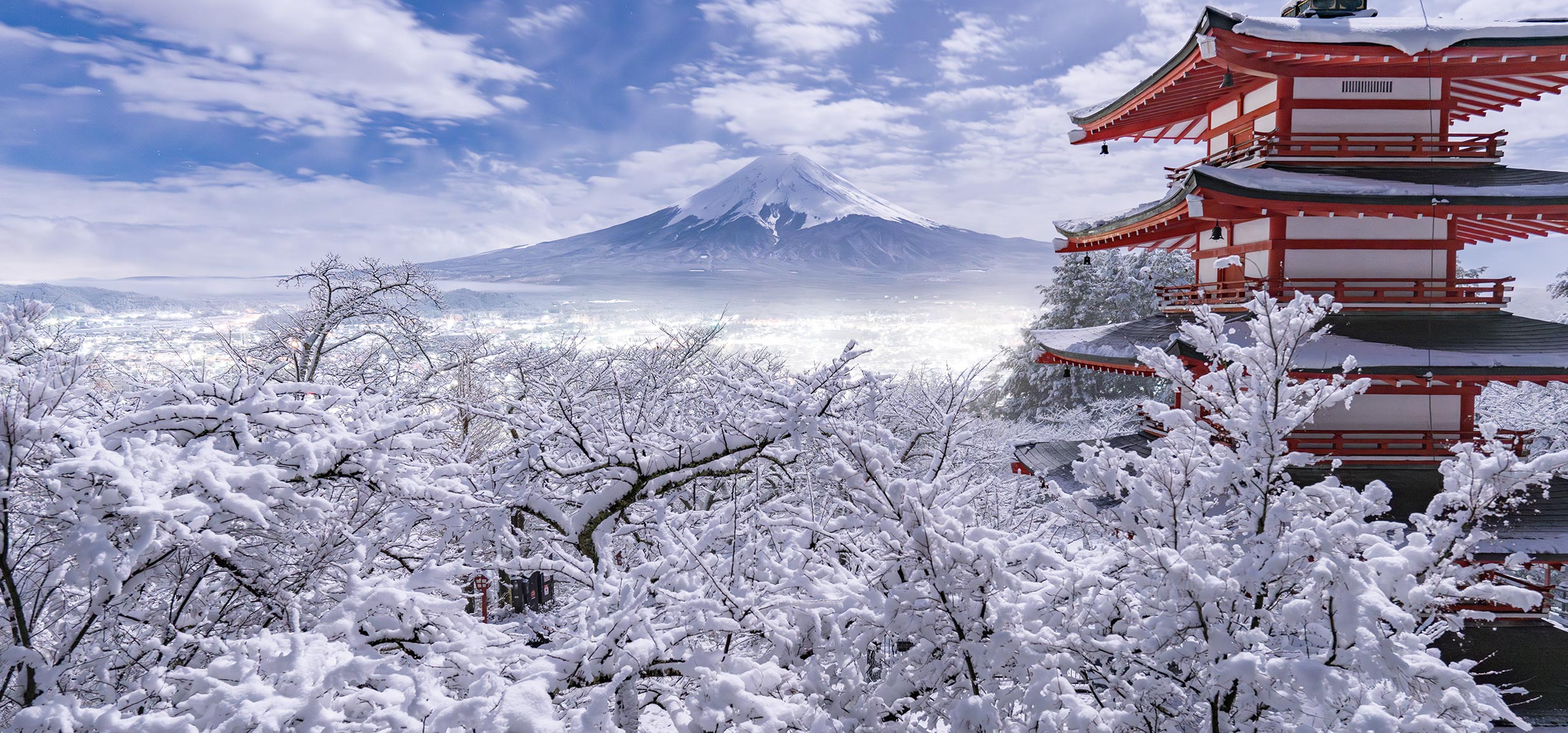
Winter: Skiing, onsens, and touring cities
Winter reveals another side of Japan, from snow-covered villages and the Japanese Alps to steaming onsens and cozy mountain inns. Beyond skiing, Japan’s cities offer quieter streets and plenty of opportunity to enjoy touring the backstreets by foot or bike and make sure to spend some time food touring to taste winter traditions to warm you up, like the popular winter hot pots Nabe and Shabu Shabu, chewy udon noodle soups, or the warm, Nikkorogashi, a hearty root vegetable stew.
Winter planning tips
Skiing: Jowpow attracts skiers from across the world. As other destinations struggle to open for the season, Japan’s skiing destinations have skyrocketed! There’s enough jowpow to go around, just plan early! Nagano located on Honshu and Niseko located on Hokkaido are two of Japan’s premier ski destinations.
Onsens: Soaking after a long day of skiing or pounding pavement of the cities, booking luxury ryokans and onsens will be a true highlight of any trip. Space at luxury ryokans is limited, so book well in advance!
Warmer spots: Looking for milder weather — head south to Kyushu Island for temps in the mid 50s to low 60s. Cute towns, cities, and even nature parks are a draw to this subtropical playground. You can even visit the UNESCO Natural Heritage site of Yakushima, just off the coast of Kyushu and a short flight from Osaka
About December holidays: While travel in the “festive” month is doable, Christmas and New Years are tricky — domestic tourism is busy over the holidays. Trains will be full, and places will often be closed.We can arrange holiday travel if these dates are your only window, but be aware you may not be able to do everything you have in mind, and most everything is closed on January 1st.
Unique Christmas tradition: A Japanese Christmas tradition is to eat KFC fried chicken. This quirky custom spans back to 1974, when KFC launched their marketing campaign “Kentucky for Christmas,” and it’s been a solid holiday tradition ever since.
Spring: Beyond the cherry blossoms
Kyoto takes center stage during the cherry blossom season, a.k.a. sakura, and while parks and avenues are laced with pink, there are plenty of other highlights to make spring pop.
Early spring tea harvest begins and can be experienced in different regions of Japan. On the Izu Peninsula, charming, locally owned wasabi farms accept guests via specially arranged visits, and sea kayaking is a popular way to angle for fresh fish.
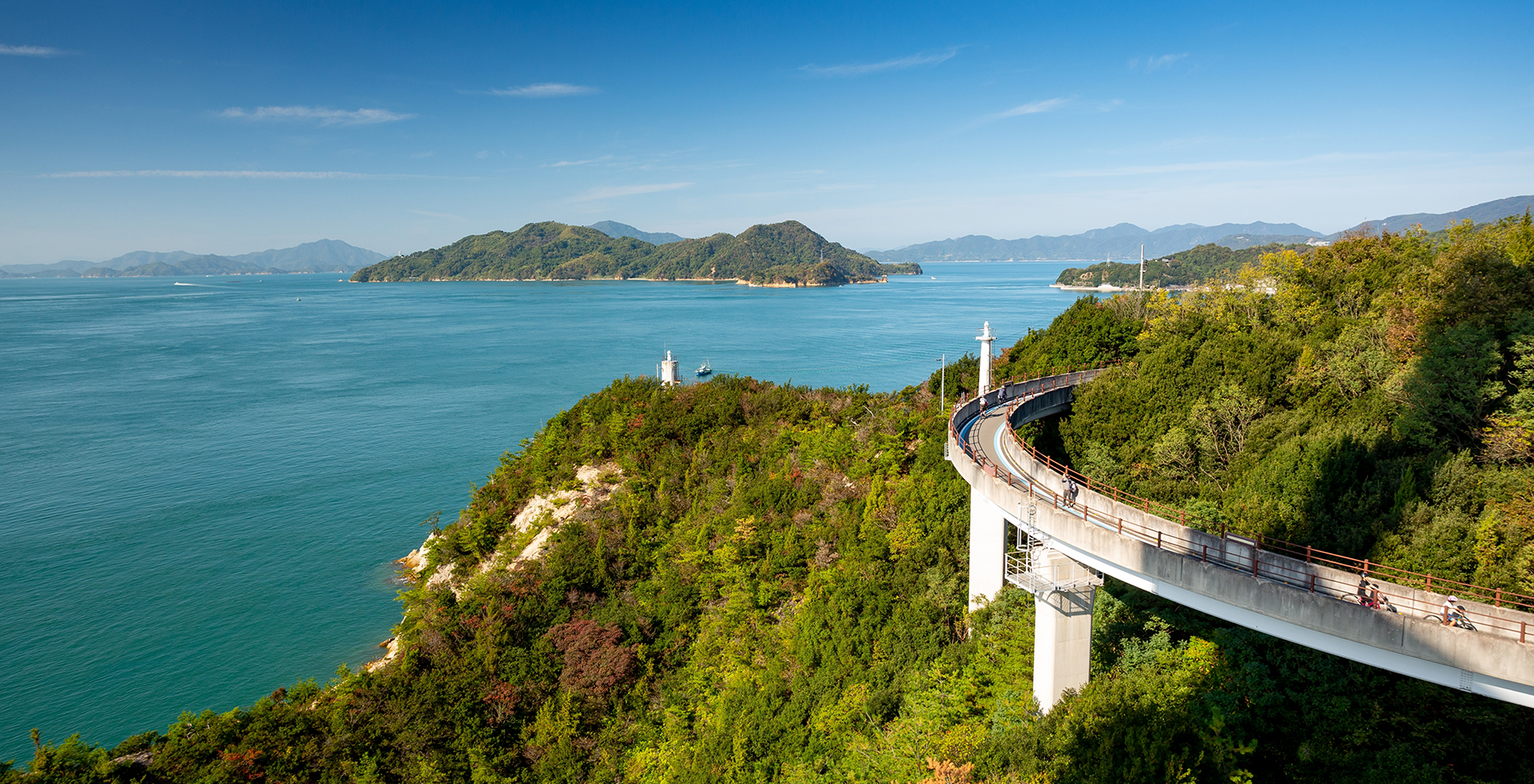
It’s the perfect time to cycle the Shimanami Kaido, a chain of islands linked by suspension bridges across the Seto Inland Sea from the mainland to the island of Shikoku.
Spring planning tips
If you want to avoid the peak season, we recommend that you plan for early March or late May to avoid the sakura peak rates and competition for the best properties. There are plenty of places to enjoy the sakura trees outside of the main city centers of Tokyo and Kyoto. Alternatively, you can visit the wisteria tunnels at Ashikaga or Kawachi Fujien in late April and early May, where cascading purple and white wisteria create dramatic floral tunnels.

Summer: Fuji climbs and keeping cool
For those travelers eager to tackle Fuji Mountain, Summer is the prime time to aim for the summit. Routing is important to pick the approach that is more comfortable for your group and hopefully minimize the effects of crowds. The official season ends September 10th, but we know of a mini-extended season just a week beyond the close.
Head to northern Honshu, where some mountain towns can offer respite from the oppressive heat and humidity of central and southern Japan, including Tokyo!
Summer planning tips
Mt. Fuji: Plan in advance to make sure you can secure an experienced mountain guide, permits, and the hut. Conditions are basic and can change rapidly.

Know before you go: Tips on Japanese customs and etiquette
The phrase “when in Rome” has nothing on the idea of “when in Japan!” As a crowded island nation, Japan has many unique customs that ensure order and harmony. Knowing some of the “rules” will help you blend into daily life and show your respect for local hosts.
Inside/outside: You will find yourself slipping your shoes on and off much more often in Japan! Any time you enter an indoor space, look for what others have done with their shoes and follow suit. It’s always wise to bring a clean pair of socks for your day out if you plan to visit temples, historic spaces, or other people’s homes.
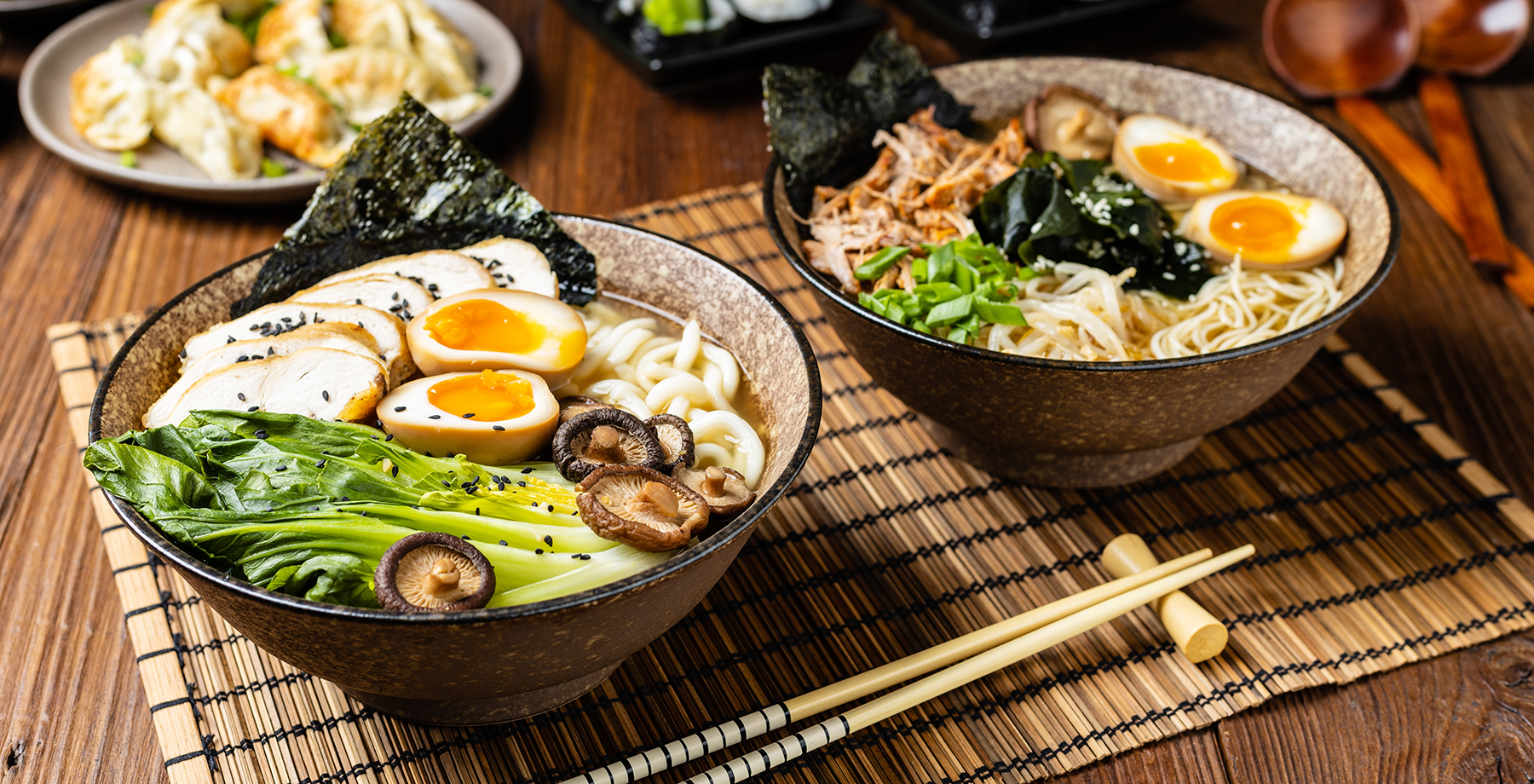
Slurping encouraged: If you’re scarfing down a bowl of ramen in silence, you’re doing it wrong! Noisy slurps are a sign of appreciation to the chef that you’re loving what they made you! Eating Japanese noodles with teenagers is hilarious — they’ll especially appreciate an opportunity to throw out all the manners you’ve been trying to instill and embrace the joy of enthusiastic eating.
Only dip the fish! About eating sushi in Japan: When eating sushi in Japan, only dip the fish in the soy sauce, and never dip the rice. The rice will fall apart, create a mess, and soak up too much sauce. Also, sushi is constructed to be experienced as one perfectly crafted, elegant bite. We recommend that you do not bite the sushi in half or eat it in multiple bites as this ruins the structure. The ginger is a palate cleanser and should be eaten between pieces of sushi rather than with them. Lastly, try not to stab your chopsticks upright into your rice. This is considered bad manners, as it resembles a funeral ritual in Japanese culture. However, if you forget dining etiquette and do all the wrong things, don’t worry — the Japanese are very gracious and forgiving hosts!
On point in the onsen: One of life’s great joys is the calm of a good soak at one of Japan’s famous hot springs. First time soaking at the onsen? We’ve got your back. No bathing suits here! You’ll want to be clean and in the buff when you get in the hot water. We’ll share a step-by-step guide and answer all your questions to help you relax like the locals and stay out of hot water while you enjoy the… hot water.
Sumimasen! You’ll hear this and other phrases when you enter or exit some stores or restaurants. It means so many things, depending on context — it can mean “excuse me,” or “thank you,” or even “I’m sorry.” Each conveys a gentle way of moving through a crowded country with kindness and respect, smoothing the path for everyone to get along with understanding. You will feel this thread of social awareness unspooling as you move through your days as a visitor to Japan’s many islands. Returning home to the US, you may just find yourself smiling reflexively at strangers and letting that glow of kindness and thoughtfulness remain with you in the weeks to come.
