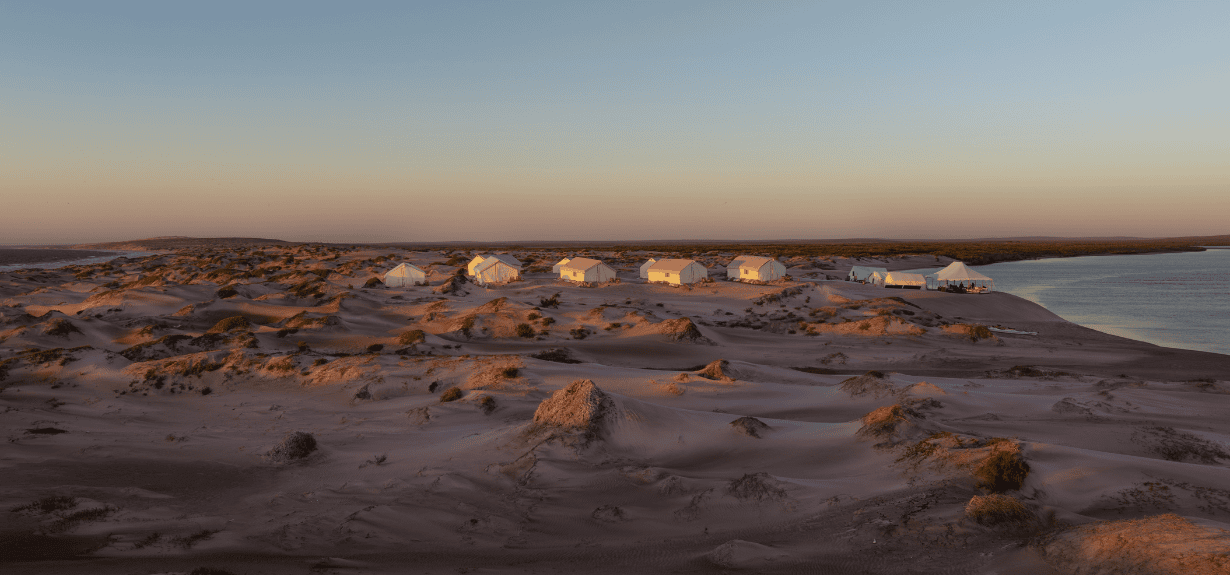
Some of the most powerful experiences in travel happen at the intersection of two kinds of beauty: the beauty we witness in people and the beauty we encounter in place.
For those of us designing journeys around fundraising, international development, or conservation, understanding the relationship between the two matters. A remarkable landscape can open people emotionally. A moving human story can give that landscape meaning. When they are experienced together, they can change how a traveler understands a mission and their own relationship to it.

Moral Beauty: When People Inspire Awe
Moral beauty is what we experience when we witness humanity at its best: courage in the face of difficulty, compassion expressed through service, resilience amid uncertainty, or generosity extended to others.
Psychologists often describe the emotional response to witnessing this kind of goodness as moral elevation. Research has linked moral elevation with greater benevolence and prosocial behavior. In one series of experiments published in the Journal of Experimental Social Psychology, researchers suggest that witnessing acts of moral goodness can produce “moral elevation,” an emotional response associated with increased helping behavior.
For a donor or impact traveler, moral beauty might be found in a conservationist describing decades spent protecting a threatened ecosystem. It might come from a community leader explaining how local residents organized to address a challenge. It could emerge while listening to a frontline health worker describe why they continue serving their community despite limited resources.
These moments do more than communicate impact. They allow travelers to encounter the human qualities behind it.

The Beauty of Place: When Landscape Changes Our Perspective
Natural beauty can create a parallel experience.
Standing beneath enormous trees, looking across an open savannah, watching wildlife move through a protected landscape, or seeing a mountain range stretch toward the horizon can temporarily change our sense of scale.
This is one of the defining characteristics of awe. Research led by Dacher Keltner and others has explored how encounters with vastness can produce what researchers call the “small self”: a reduced sense of individual importance and a greater feeling of being part of something larger. Studies have also connected awe with cooperation, generosity, helping behavior, and greater collective concern.
RESEARCH INSIGHT
Awe-inspiring experiences and nature can make us feel smaller in relation to the world around us, a shift researchers have associated with greater generosity, cooperation, and prosocial behavior.
One particularly memorable experiment illustrates the point. Participants who spent a minute looking up at a grove of towering eucalyptus trees subsequently helped pick up more dropped pens than participants who had looked at a nearby building. They also reported feeling less entitled and self-important.

The Power Is in the Intersection
The real opportunity for journey design emerges when moral beauty and the beauty of place are experienced together.
Imagine hearing a community leader describe years of work protecting a watershed while standing beside the river that sustains the surrounding communities.
Imagine listening to a conservationist explain the recovery of an endangered species and then seeing that animal move through the landscape in front of you.
Or imagine hearing how a locally led development initiative has changed families’ opportunities while looking across the community where that work is unfolding.
The landscape is no longer scenery.
It becomes part of the story.
The beauty of place helps travelers feel the scale, history, vulnerability, and importance of the work. The moral beauty of the people within it gives that landscape deeper meaning.

Why Conservation Journeys Have a Unique Opportunity
Conservation journeys are especially well positioned to bring these two forms of beauty together because the people, mission, and landscape are inherently connected.
The very place that inspires awe is often the place the organization is working to protect.
That creates an unusual opportunity for thoughtful journey design. A traveler can experience the beauty and ecological significance of a landscape and then meet the people dedicating their lives to preserving it. The landscape reveals what is at stake. The people reveal what is possible.
For conservation fundraisers, this means the spectacular landscape does not need to compete with the mission for a donor’s attention. It can deepen the donor’s understanding of the mission.
KEY FINDING
The strongest impact experiences allow donors to encounter three things together: Moral and physical beauty, what is at stake, and who is doing something about it.

Designing for the Moment, Not Just the Itinerary
For fundraising and impact leaders, this suggests an important design principle:
Do not treat meaningful encounters and extraordinary places as separate components of an itinerary. Design intentionally for their convergence. This is where your travel provider becomes a strategic partner rather than just a service provider.
Consider where a story should be told, not simply when.
Allow travelers to encounter a place before explaining its significance to your cause.
Think carefully about which voices should help donors understand the landscapes they witness.
Create moments of stillness after meeting someone whose courage, generosity, or commitment has moved the group.
And resist the temptation to immediately fill every meaningful moment with another presentation, activity, or talking point.
Sometimes the landscape provides the emotional space for a human story to settle in.
This kind of sequencing matters because an effective donor journey is not simply an opportunity to deliver more information about an organization. It is an opportunity to create the conditions that enhance a traveler’s perspective on an organization’s work and mission.
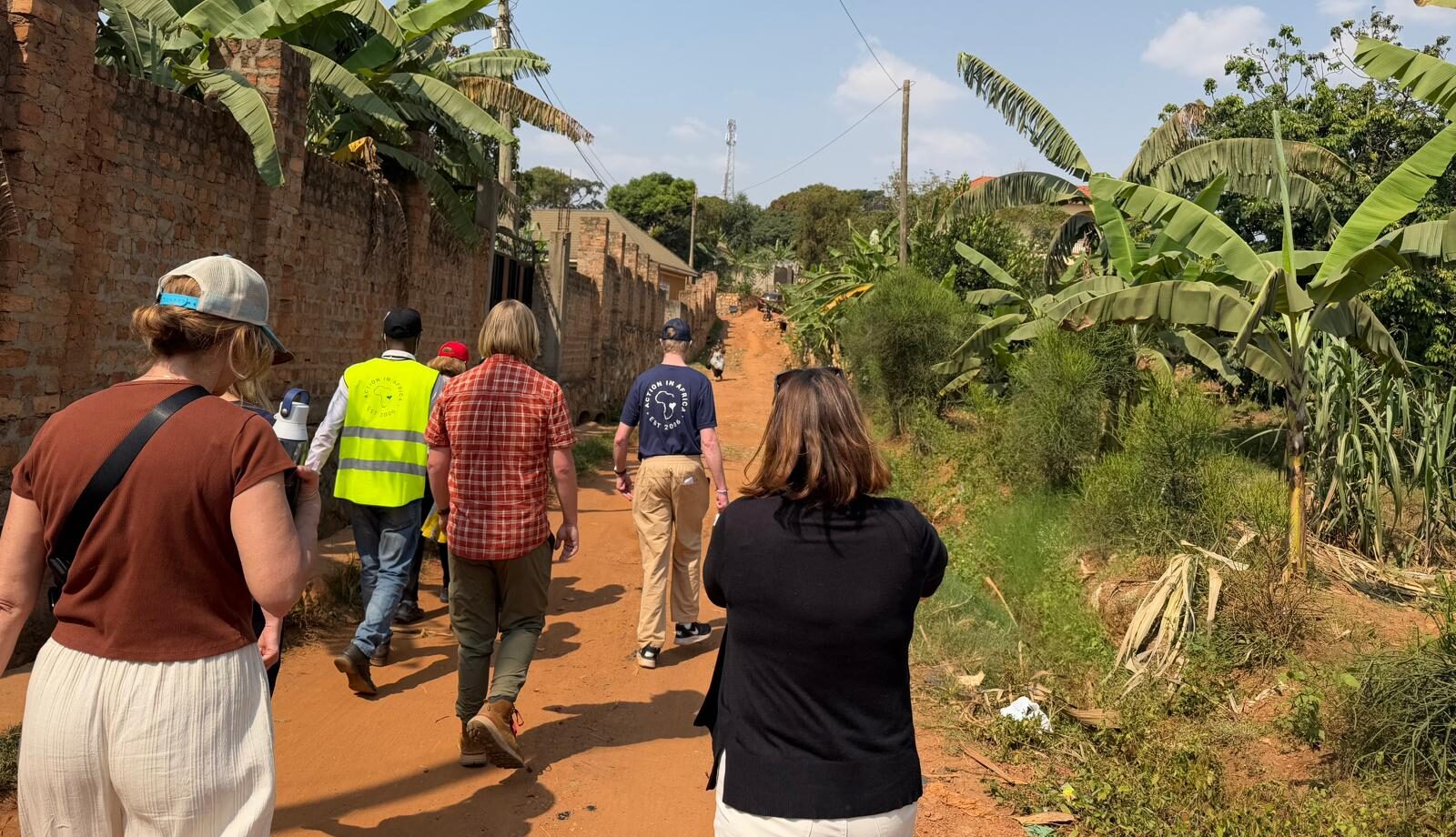
Continue Exploring
If you are designing donor journeys, conservation experiences, or other forms of purpose-driven travel, we share monthly research, practical frameworks, and field-tested strategies to help fundraising and impact leaders create journeys that deepen connection and advance their mission.
About the Author
Katherine Redington is Vice President of Social Impact Journeys and Business Development at Elevate Destinations. She has worked on more than 400 community-based journeys and oversees institutional travel for nonprofit organizations, including donor trips, impact investing journeys, board retreats, political will journeys, and charity challenges.
