
On the surface, a charity challenge looks like a physical test: riders pushing through 100 miles for cancer research, trekkers climbing a mountain for clean water, runners taking on a marathon for mental health. But anyone who has made it to the peak of a mountain, as people pull and push each other to the top, knows something deeper is happening.
Researchers call it collective awe. Awe plays a crucial amplifying role. According to research from the University of California, Berkeley, my alma mater, awe increases feelings of connectedness and decreases focus on the self. In charity challenges, participants often report feeling bonded not only to teammates but to beneficiaries they may never meet.
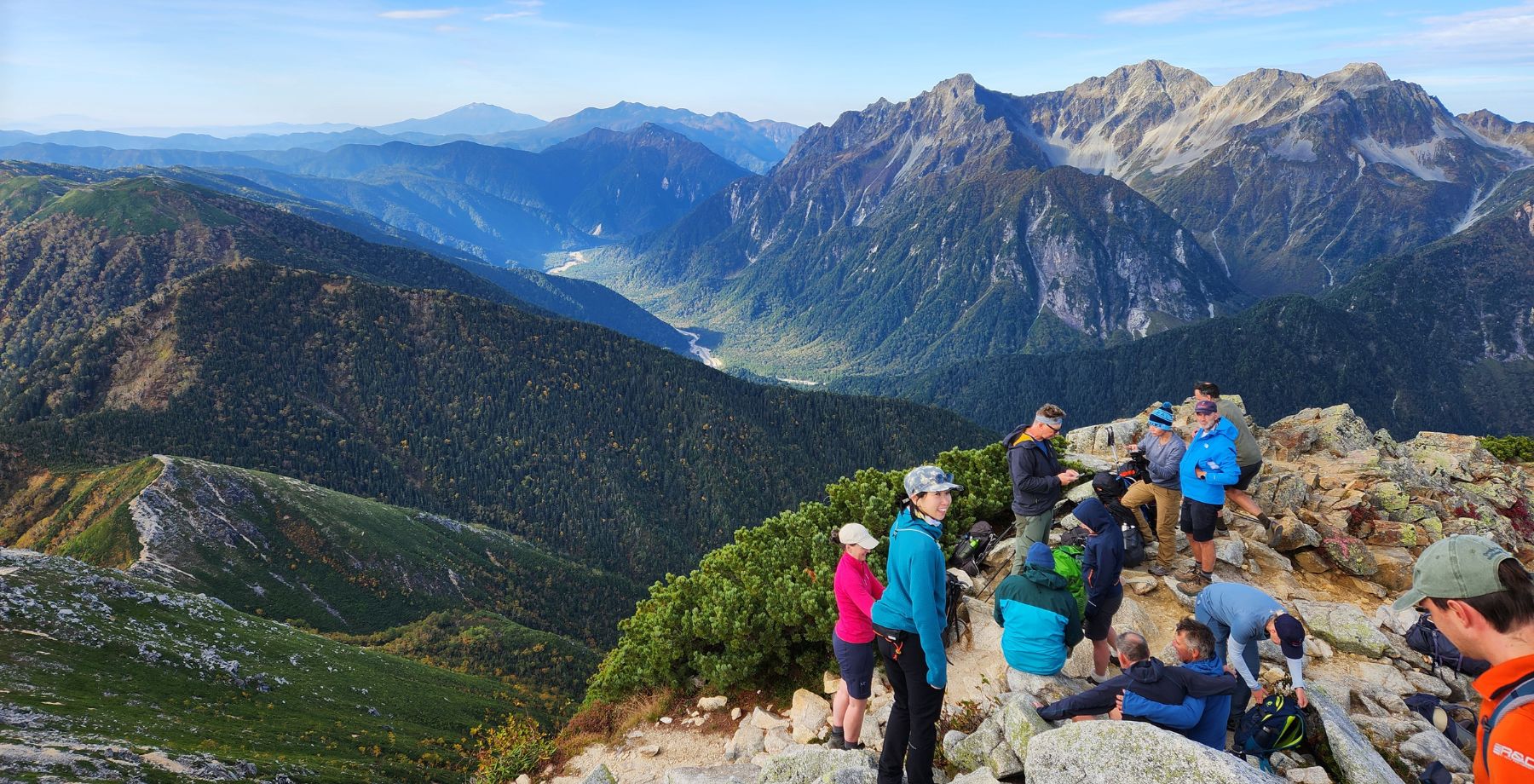
Psychologist Dacher Keltner describes awe as the feeling we experience when we encounter something vast that shifts our understanding of the world. It might be a natural wonder, a powerful piece of music, or an extraordinary human act. But awe doesn’t stop with the individual. When people experience it together, especially in pursuit of a meaningful goal, it becomes a powerful social force.
Studies by Paul Piff and colleagues at the University of California, Irvine have shown that awe increases generosity and prosocial behavior. Participants who felt awe were more likely to share resources and help others. The emotion seems to quiet the ego and expand our sense of connection. We feel smaller in the best possible way, part of something larger and more meaningful.
Now, place that insight inside a charity endurance challenge. These are the feats we craft for fundraisers around the globe.
Imagine hundreds of hikers cresting a mountain summit after hours of climbing, greeted by a view that will take your breath away, and then pulling out a sign that says “$2 million raised for pediatric cancer.” The physical strain, the shared struggle, and the visible impact combine into something transcendent. In that moment, the experience stops being about individual performance. It becomes about collective purpose.
Research on collective effort supports this. Behavioral scientists have long observed the “Köhler effect,” in which individuals perform better in groups than alone, especially when their contributions matter to a shared outcome. When the mission is morally meaningful, curing disease, ending hunger, and protecting the planet, the motivational effect intensifies. Effort becomes identity-driven. The cause becomes emotionally tangible.
This shift has measurable consequences.
First, fundraising expands. When participants feel collective awe, they communicate differently about the cause. Their stories become more heartfelt, less transactional. Donors respond not just to statistics, but to visible transformation in the challenger’s sense of purpose. Awe is contagious; it signals authenticity.
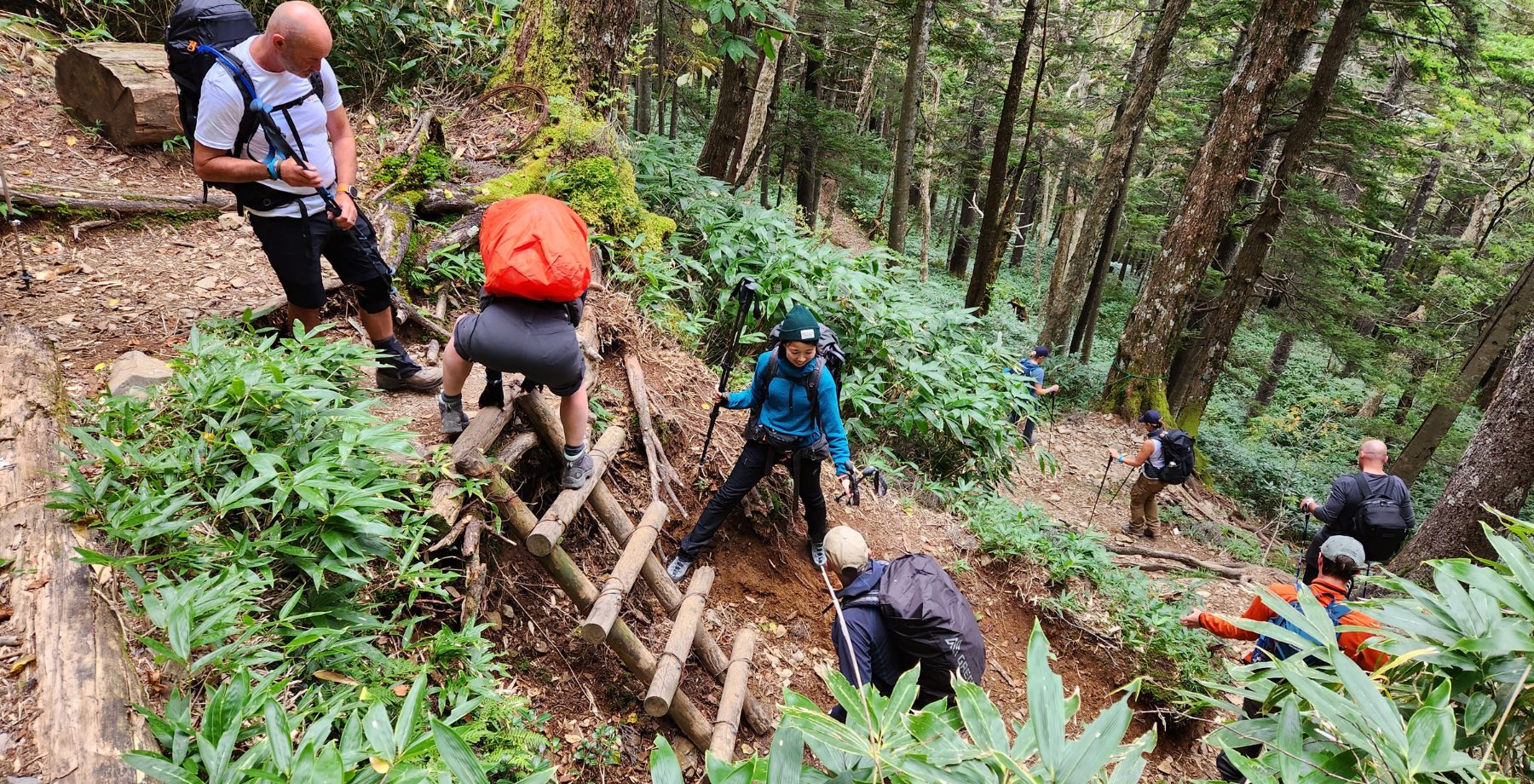
Second, community deepens. Shared physical hardship: blisters, rainstorms, aches and pains create what sociologists call “communitas,” a temporary but intense feeling of unity. Awe strengthens that unity by framing the hardship as meaningful. Participants don’t just remember the miles; they remember the moment they realized they were part of something extraordinary.
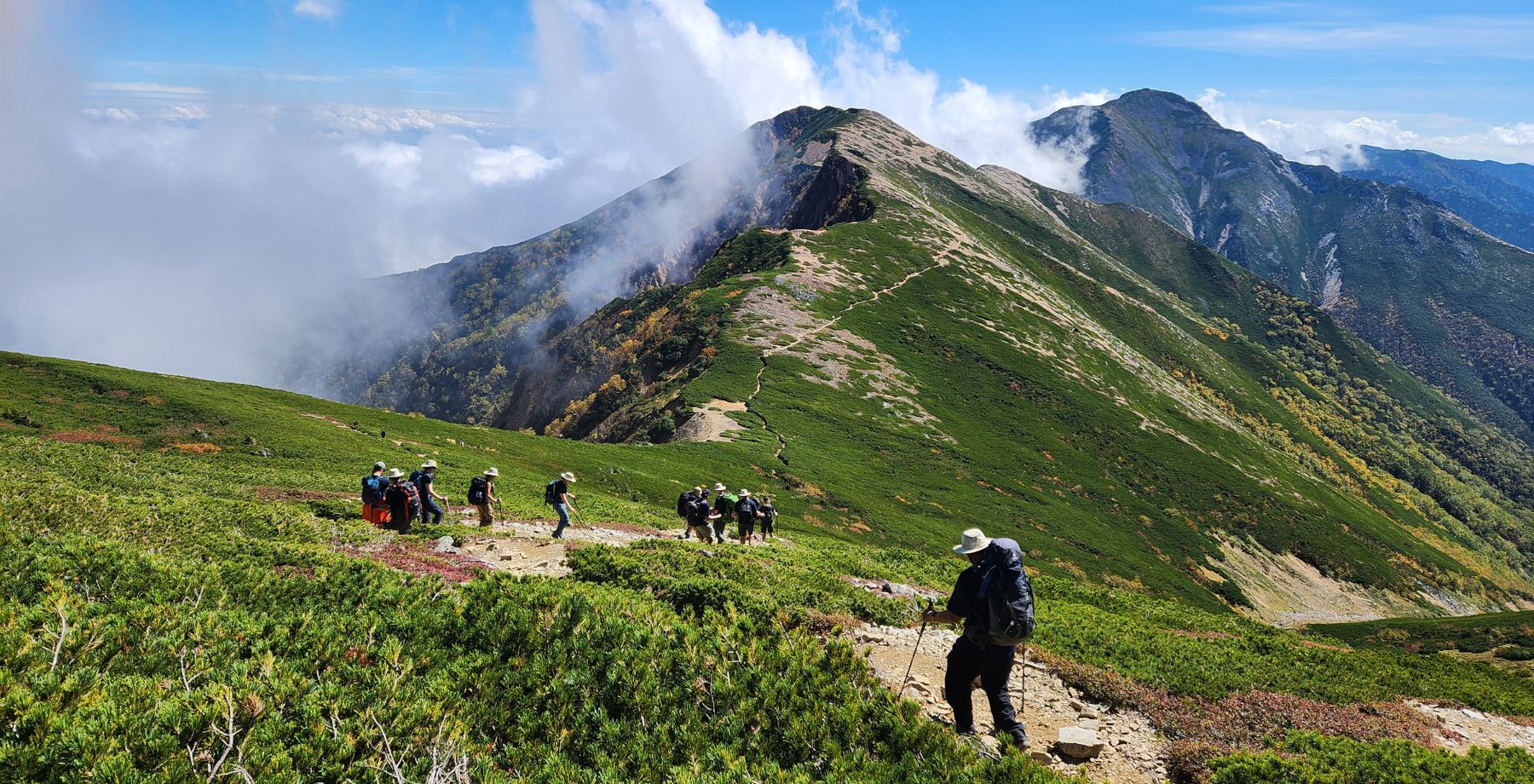
Finally, long-term relationships form. Research shows that emotionally intense shared experiences are more likely to create durable bonds. When a challenge culminates in a collective, awe-filled achievement, such as reaching the summit of a mountain, participants encode that memory as a defining life event. They return the next year. They recruit friends. They become ambassadors. They stick it out through the inevitable ups and downs of the mission and work. It takes fundraising out of the transactional space and into the transformational space.
In the end, charity challenges work not only because they raise money, but because they generate collective meaning. Collective awe transforms physical effort into shared identity. It reminds people that, together, they are capable of extraordinary things. And when people believe that, they change what feels possible, and potentially, what is possible.
If you just want to learn more about our company and how you can grow your travel program ethically and effectively, sign up for our newsletter. We share monthly research, tools, strategies, and webinars to help you leverage travel and events to achieve your institutional goals.
