
One of the most common mistakes I see in donor travel is trying to showcase too much.
In fact, roughly 80% of the itinerary requests we receive involve schedules that are packed beyond what is realistically absorbable for participants. I understand the impulse. When donors have traveled across the world, often to remote locations, organizations want to maximize every moment. They want visitors to see the breadth of their work, the diversity of communities they serve, the range of challenges they tackle, and the local leaders driving change.
The assumption is understandable: if donors can see more, they will understand more. If every hour is filled, the trip will have a greater impact.
However, after running more than 400 trips, I’ve found that the opposite is often true. When trips are designed with too many site visits, participants become overwhelmed as the days progress. Important insights are not fully processed, and conversations remain surface-level because there is little time to reflect. Donors start skipping dinners because they are exhausted. They opt out of activities because they have already absorbed more information than they can meaningfully retain. The itinerary begins to work against its own goals.
Rather than deepening engagement, overprogramming leads participants to withdraw from some of the most valuable moments of the journey.
For years, I found myself explaining this dynamic to clients. Yet despite understanding the risks, many organizations still felt compelled to fill every available space in an itinerary. I wanted to understand why.
Then I came across the concept of “subtraction neglect,” introduced by Leidy Klotz in his book SUBTRACT: The Untapped Science of Less.
KEY FINDING
Klotz’s research explores a deeply human tendency: when we encounter a problem, our instinct is to solve it by adding something rather than removing something, even when subtraction would produce a better outcome.
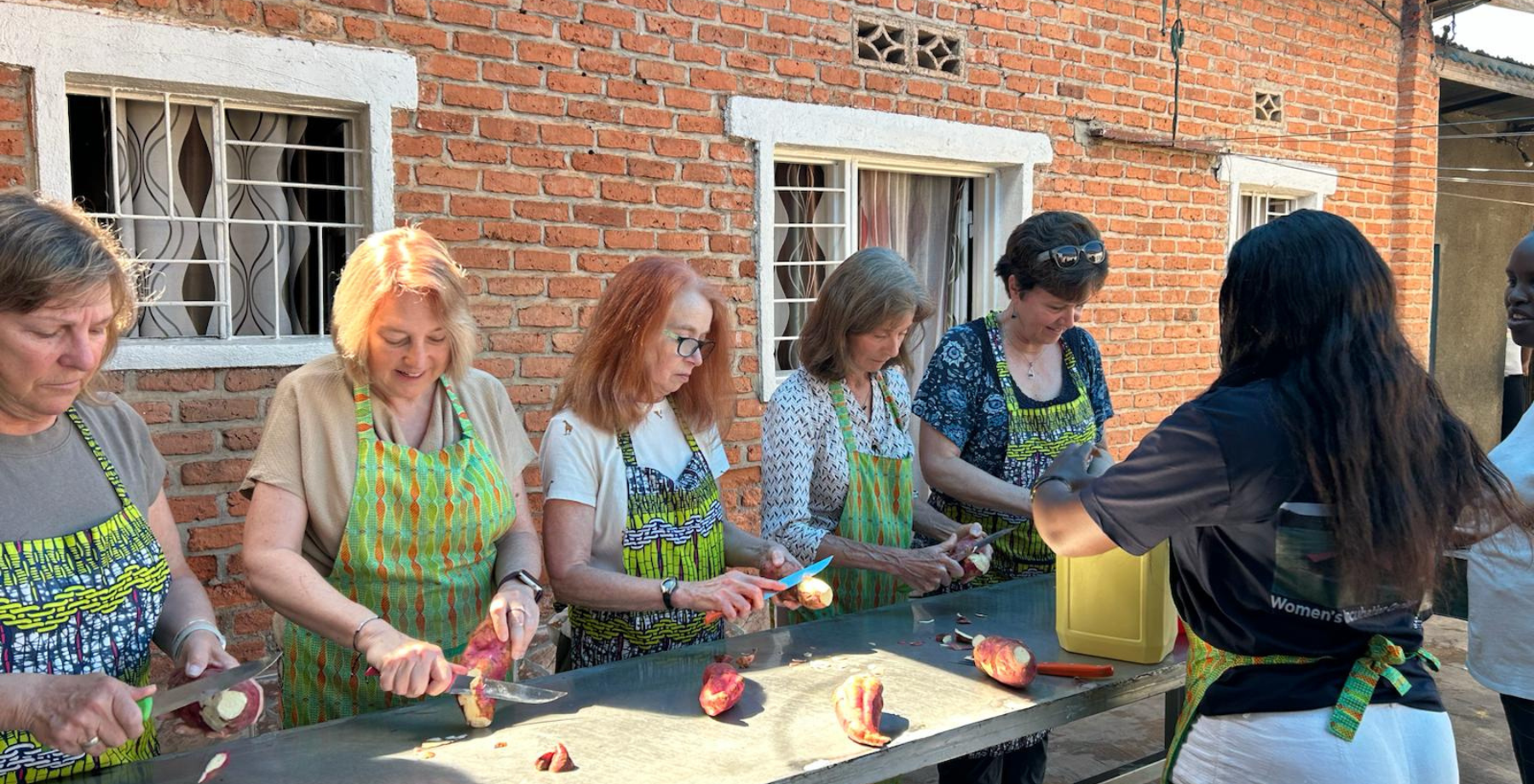
This bias shows up everywhere, including in donor travel.
When people look at a packed itinerary, they rarely ask, “What can we remove?” Instead, they ask, “What else should we include?” The assumption that adding more enhances a trip’s value is deeply embedded in how we think.
But the most transformative donor journeys are rarely the busiest ones.
Instead of trying to showcase everything, organizations should hone in on their core message and the key insights they want to share so that donors leave with a deeper understanding of their work.
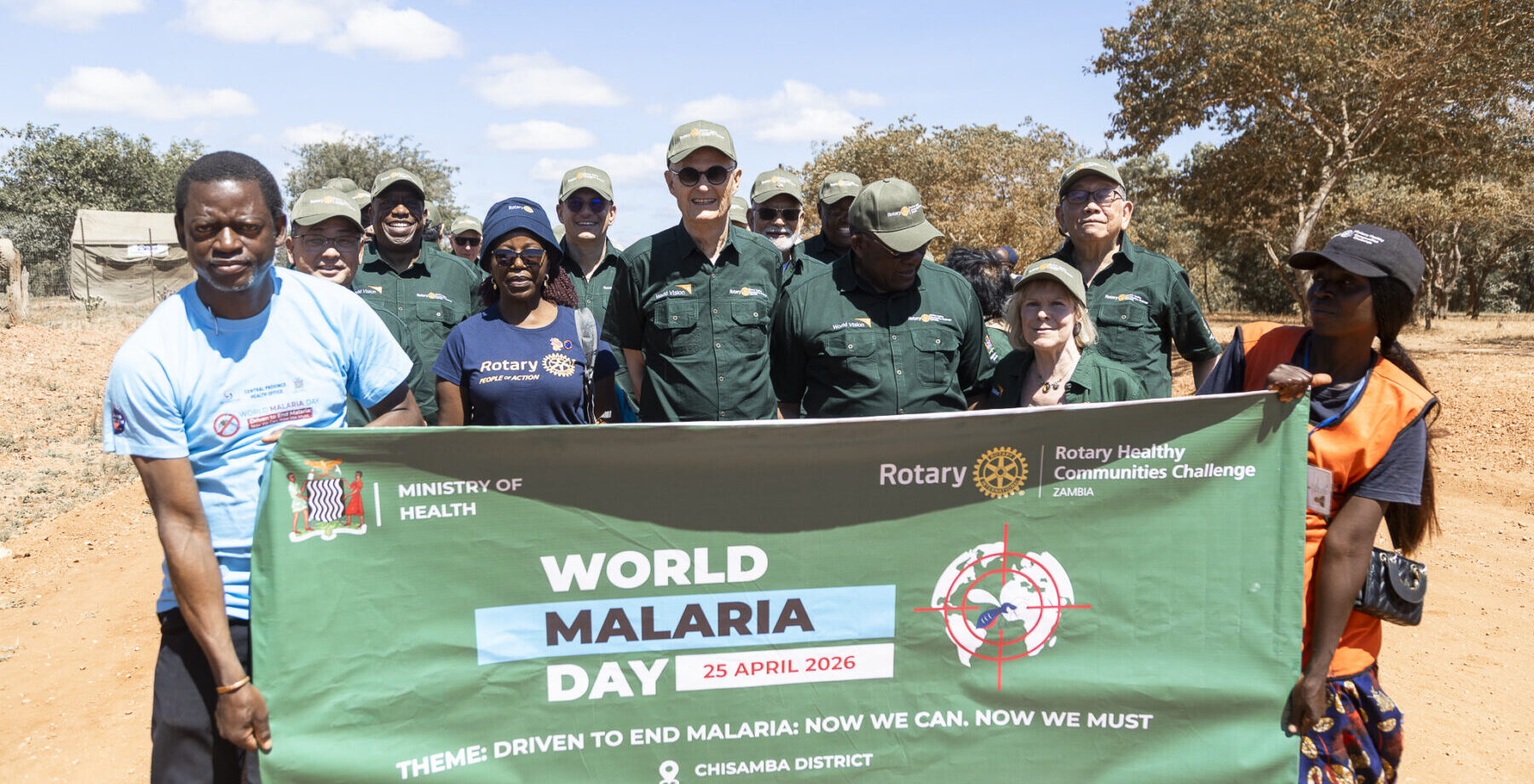
Go where your theory of change is most visible.
Structure the trip around one place where the connection between the challenge, intervention, and impact can be clearly experienced. Find the site, community, or program that best represents the heart of your work.
If appropriate, pair it with a second experience that shows another stage of the journey, perhaps a place where the work is just beginning, where systems change is still emerging, or where progress remains incomplete. This contrast can often reveal more than a dozen disconnected site visits.
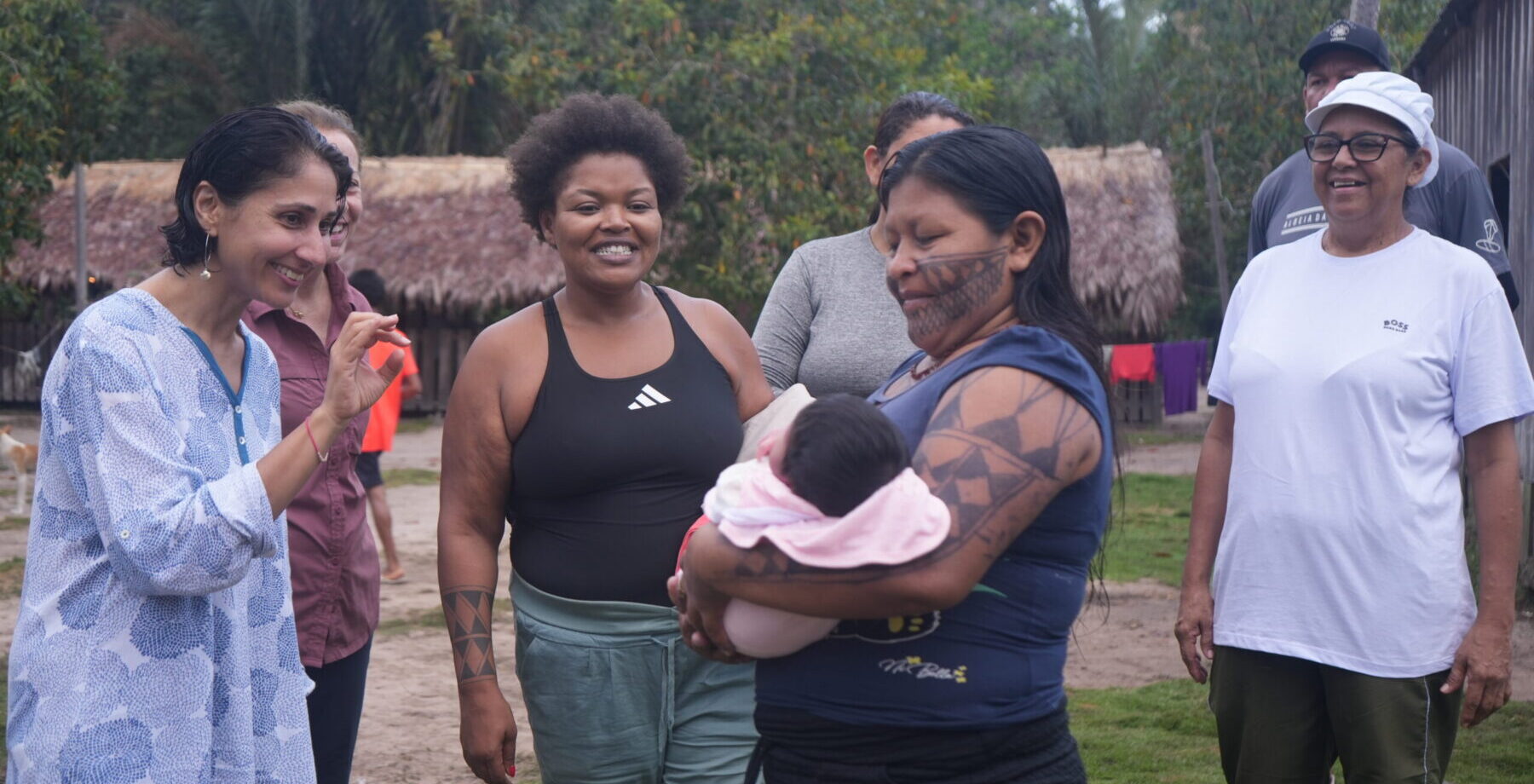
Then, create space to reflect.
Facilitated debriefs, informal conversations, and moments of discussion help participants connect what they have seen to the broader strategy of the organization. Learning happens not only during site visits, but also in the time afterward, when donors can process and make meaning of what they experienced.
If there are key partners, community leaders, or changemakers located far away, consider bringing them to the group rather than moving the group to them. Creating a shared space for dialogue can often lead to richer conversations and stronger connections than another rushed, exhausting transfer between locations.
Most importantly, leave room for the human experience.
Fill the remaining time with context, culture, joy, recreation, relationship-building, and moments of surprise. These moments are not distractions from the mission; instead, they create space for lasting connections that make both the trip and your organization’s mission more memorable.
The goal of a donor trip is not to move people through as many sites as possible.
The goal is to foster understanding, connection, and trust that motivates someone to act.
At Elevate, we intentionally design trips that allow groups to spend more time in the places that matter most, so that your organization’s work can speak for itself. This way, you can focus less on managing logistics and more on building the relationships that ultimately sustain long-term partnership and support.
Continue Exploring
If you are designing donor journeys, conservation experiences, or other forms of purpose-driven travel, we share monthly research, practical frameworks, and field-tested strategies to help fundraising and impact leaders create journeys that deepen connection and advance their mission.
About the Author
Katherine Redington is Vice President of Social Impact Journeys and Business Development at Elevate Destinations. She has worked on more than 400 community-based journeys and oversees institutional travel for nonprofit organizations, including donor trips, impact investing journeys, board retreats, political will journeys, and charity challenges.
