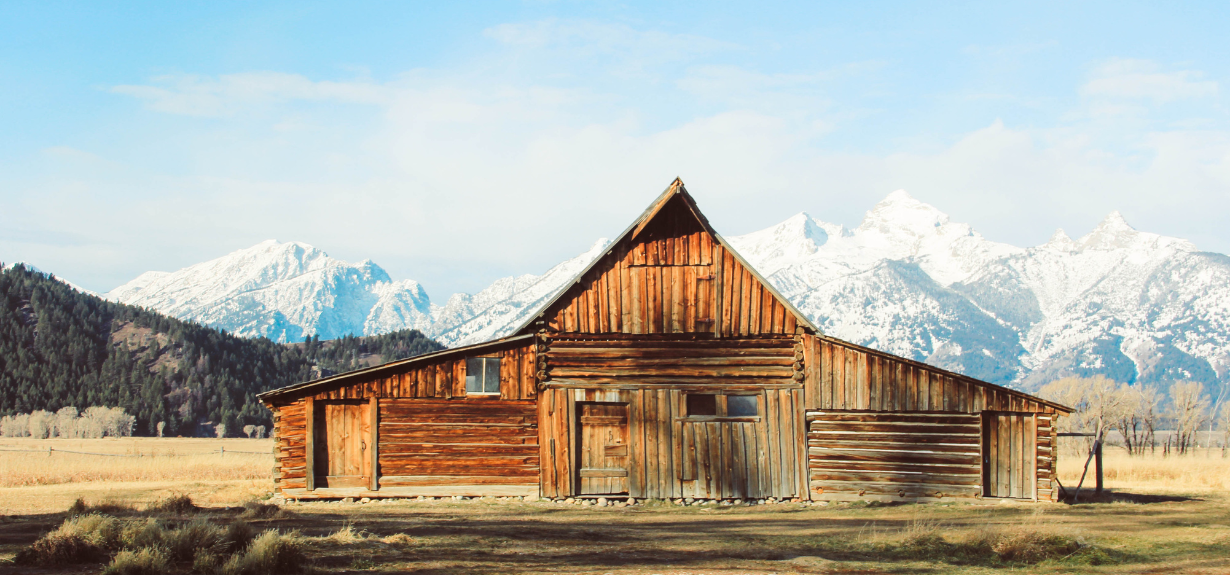
At Elevate Destinations, we have spent years designing immersive travel experiences for organizations and their communities, and we have seen firsthand how changing the environment can change the way people think, connect, and engage with one another. Some of the most meaningful moments happen not around a conference table, but while walking together, sharing a meal, navigating something unfamiliar, or simply having enough space for a conversation to unfold naturally. That experience has shaped how we approach company retreats: not as meetings transplanted to beautiful places, but as intentionally designed journeys where nature, culture, shared discovery, and space for reflection are interwoven. Increasingly, research helps explain why.

In today’s hyperconnected world, workplace teams are constantly navigating noise: endless notifications, repetitive routines, back-to-back meetings, and the cognitive fatigue that comes from being perpetually “on.” Company retreats rooted in nature offer something increasingly rare — the opportunity to step away from distraction, reconnect with one another, and create the mental space necessary for innovation, collaboration, and renewal.
Research strongly supports the benefits of immersive experiences in natural environments.
A study published in the journal PLOS found that participants who spent four days in nature, disconnected from electronic devices, demonstrated a 50% increase in creativity. This improvement was measured through tasks involving insight, problem-solving, and convergent reasoning.
RESEARCH INSIGHT
The researchers suggest that nature restores cognitive resources that are typically depleted by the constant stimulation and interruptions of modern life.
For workplace teams, this restoration is powerful. When individuals step outside the noise of their daily environments and routines, they are able to reset mentally and emotionally. Nature creates the conditions for team members to refresh, reflect, and reconnect — both with themselves and with each other. A Stanford-led randomized study published in Landscape and Urban Planning assigned 60 participants to take a 50-minute walk in either a natural or urban environment. Compared with the urban group, people walking in nature showed reduced anxiety, rumination and negative affect, along with improved working-memory performance.
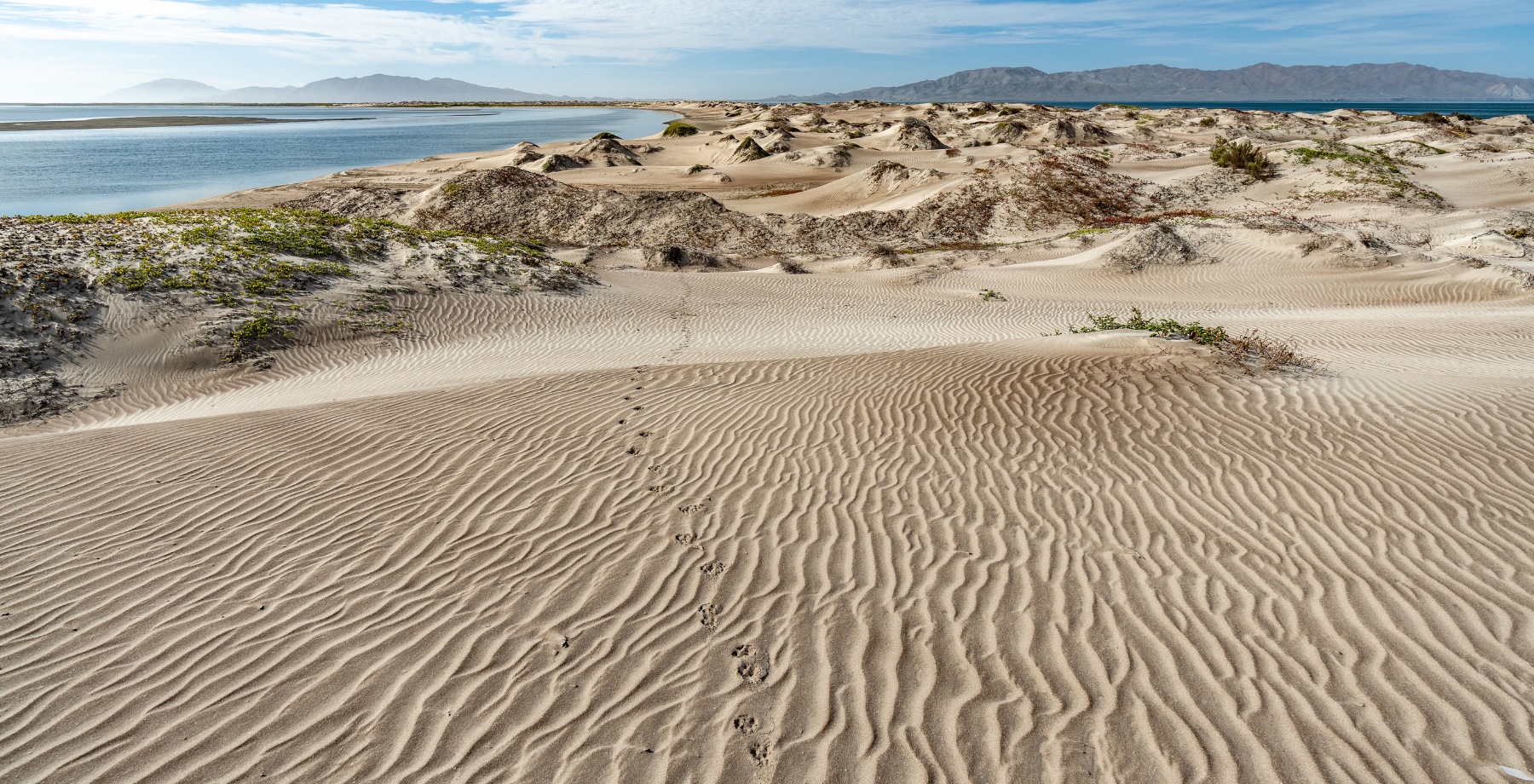
Nature Creates the Mental Space for Corporate Team Creativity
Removed from familiar pressures and workplace dynamics, people often communicate more openly, think more expansively, and engage more authentically. This is supported by a 2019 interdisciplinary review in Science Advances. The authors reviewed evidence across the natural, social and health sciences and concluded that experiences in nature are associated with improved psychological well-being, positive social interaction, cognitive function, memory, attention, and creativity.
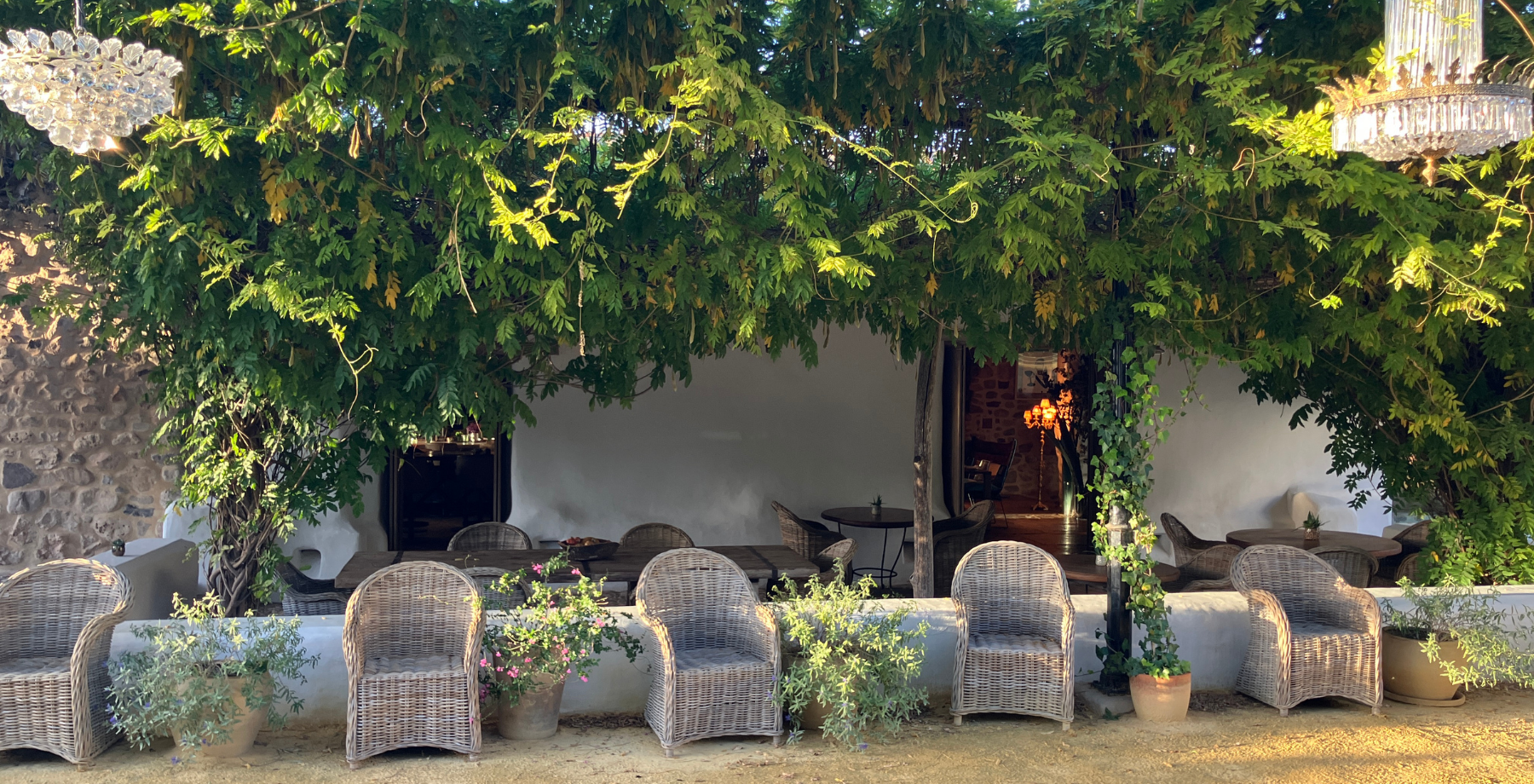
International Corporate Retreats Expand Employee Perspective
International retreats are especially beneficial.
KEY FINDING
Research on multicultural experiences suggests that meaningful engagement with unfamiliar cultures increases cognitive flexibility and creative thinking.
For example, Maddux, Adam & Galinsky found that multicultural learning experiences increased cognitive flexibility, helped participants recognize underlying associations, and helped them overcome “functional fixedness.”
The study emphasizes that these improvements occur because traveling internationally requires adaptability. Teams must navigate new customs, cultural perspectives, languages, and ways of life. This exposure challenges established cognitive patterns and encourages mental flexibility. As a result, travelers who engage meaningfully with cultures different from their own often develop better creative solutions. Experiencing different approaches to communication, problem-solving, and daily living broadens perspective and helps people break free from conventional assumptions.
New settings also naturally encourage divergent thinking, a key component of creativity. Divergent thinking is the ability to expand possibilities, explore unconventional ideas, and generate multiple approaches before evaluating them. It is the opposite of rigid, habitual thinking.
When teams are immersed in unfamiliar cultures, landscapes, and experiences, they are prompted to see the world differently and, in turn, think differently.
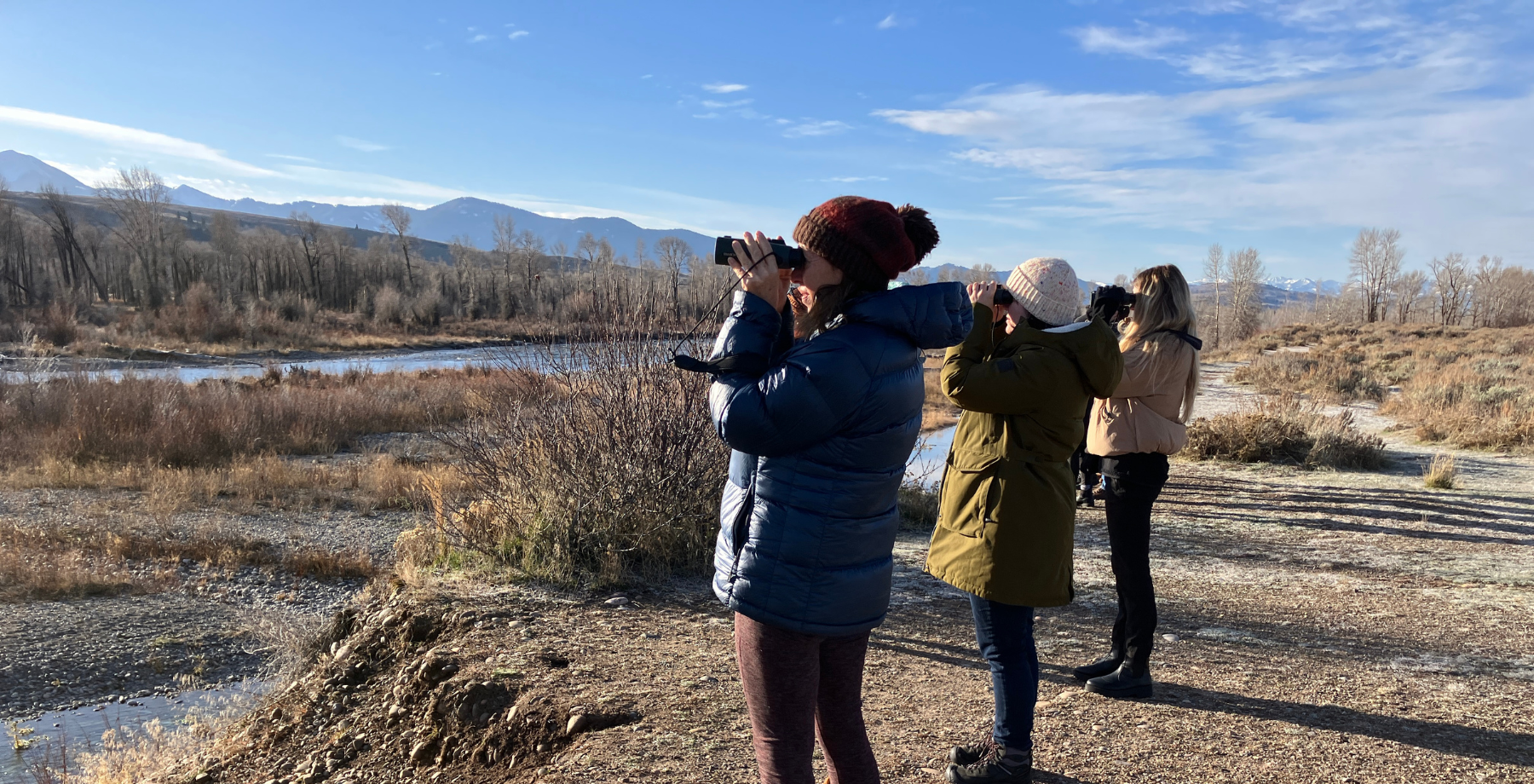
Shared Experiences Strengthen Team Connection
Nature-based retreats also create opportunities for shared discovery. Research links nature experiences to positive social interactions, cohesion, and engagement. For teams, shared adventures outside familiar workplace roles can create a different setting for conversation, connection, and relationship-building.
Gallup workplace research reports that employees who feel connected to their organization’s culture are 4.3 times as likely to be engaged and 62% less likely to report frequent burnout. For organizations focused on sustained performance, wellbeing and connection are not peripheral concerns. Gallup’s workplace research consistently links employee wellbeing and connection with engagement, resilience, retention, and lower burnout. Nature-based retreats provide an intentional opportunity to create space for those priorities.
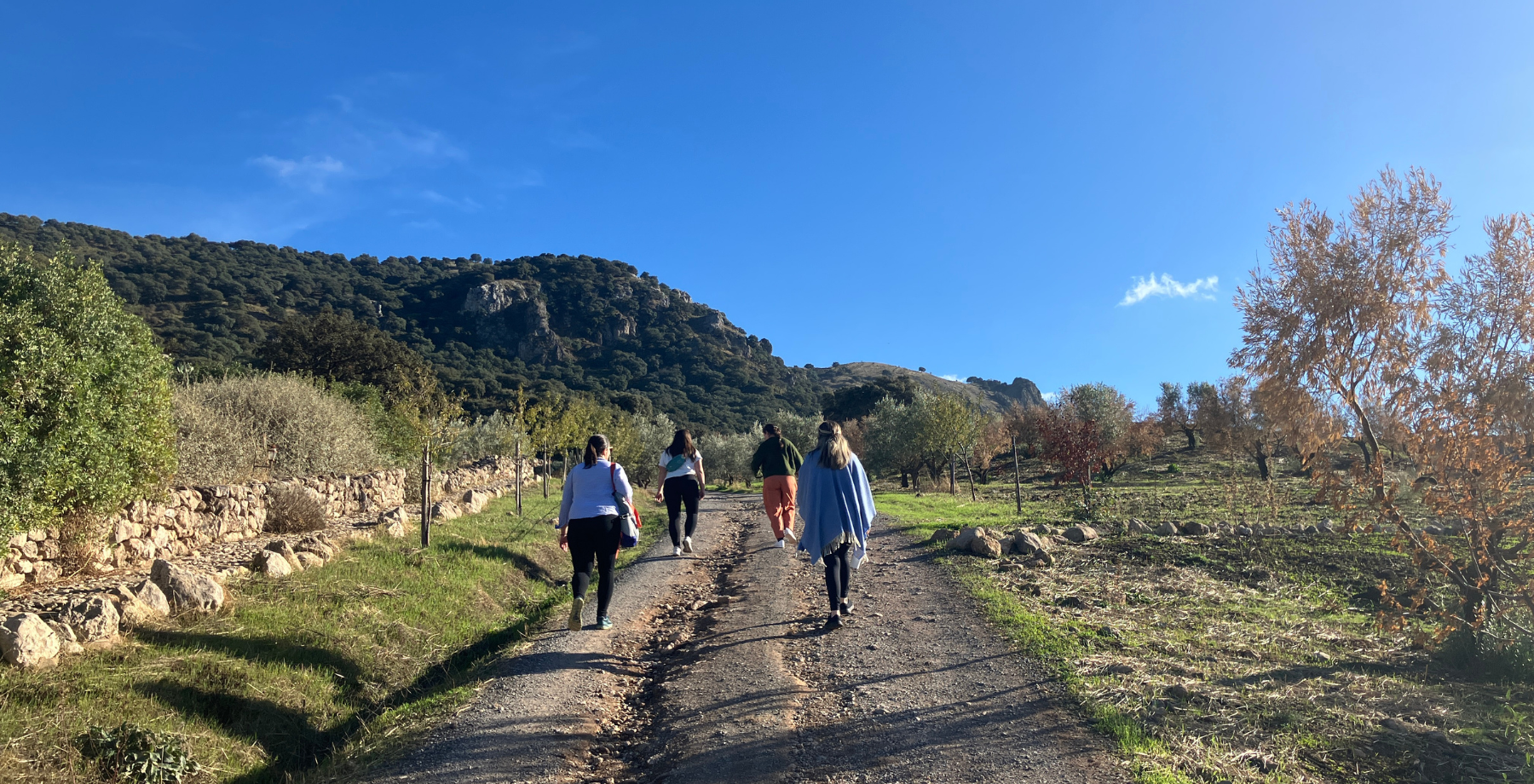
Company Retreats are an Investment in Sustainable Performance
Most importantly, international retreats rooted in nature remind teams that creativity and innovation come not from constant pressure, but from space, curiosity, and renewal. By stepping away from routine and immersing themselves in environments that inspire openness and exploration, teams return not only refreshed, but more collaborative, imaginative, and resilient.
In an era where burnout and disconnection are increasingly common, investing in meaningful company retreats in nature is not simply a perk; it is a strategic opportunity to cultivate healthier, more creative, and more connected workplace cultures.
Continue Exploring
If you are designing donor journeys, conservation experiences, or other forms of purpose-driven travel, we share monthly research, practical frameworks, and field-tested strategies to help fundraising and impact leaders create journeys that deepen connection and advance their mission.
About the Author
Katherine Redington is Vice President of Social Impact Journeys and Business Development at Elevate Destinations. She has worked on more than 400 community-based journeys and oversees institutional travel for nonprofit organizations, including donor trips, impact investing journeys, board retreats, political will journeys, and charity challenges.
Get in Touch: katherine@elevatedestinations.
More about retreats
Why do Intentional Staff Retreats work better than Return-to-Work Mandates?
Further Reading
-
- Company retreats overview: https://elevatedestinations.
com/company-retreats/ - Costa Rica: https://elevatedestinations.
com/retreats/costa-rica/ - Rwanda: https://elevatedestinations.
com/retreats/rwanda/ - Spain: https://elevatedestinations.
com/retreats/spain/ - Indonesia: https://elevatedestinations.
com/retreats/indonesia/ - Iceland: https://elevatedestinations.
com/retreats/iceland/ - Mexico: https://elevatedestinations.
com/retreats/mexico/ - Panama: https://elevatedestinations.
com/retreats/panama/ - Trips for organizations: https://elevatedestinations.
com/trips-for-organizations/
- Company retreats overview: https://elevatedestinations.
