
Charity challenges are a powerful fundraising tool, combining fundraising and storytelling into a shared experience that inspires meaningful engagement. Beyond raising money, they help build a community of supporters who are deeply invested in an organization’s mission.
When designing a charity challenge, one of the first questions to consider is: How will participants raise funds? Fundraising trips can be structured in a variety of ways, and taking the time to evaluate the different models will help you determine which approach best aligns with your organization’s goals and audience.
Below, we’ll explore the most common fundraising structures and the key factors to consider when choosing the right model for your organization.
 Option 1: Minimum Fundraising Model
Your organization sets a minimum fundraising amount each participant must raise. This amount covers the cost of their trek, and anything raised above the minimum goes directly to your cause. This is the most common structure in the charity challenge industry, making it easy to communicate to donors. This model works well if your priority is guaranteeing predictable per-participant revenue.
Option 2: Self-Funded Model
Participants pay their own trip cost directly, with no minimum fundraising requirement attached to their seat. They’re still encouraged to fundraise on top of this, and since the trip is already covered, 100% of anything they raise goes straight to your organization. This model appeals to supporters who prefer to treat the trek as their personal travel expense and fundraise purely as a bonus contribution. It’s also the cleanest option from a donor-transparency standpoint, since there’s no blending of trip cost and donation dollars.
Option 3: Hybrid Model (Choice of Both)
Your organization offers both options above, and each participant chooses whichever fits their personal financial situation:committing to a fundraising minimum, or paying for the trip themselves. This is the most flexible model and tends to maximize participation, since it removes the single biggest barrier to signing up (an inflexible cost structure) while still preserving strong fundraising outcomes from those who opt into the sponsorship path.
 Option 4: Matched Fundraising Model
Your organization sets fundraising tiers tied directly to trip cost coverage; the more a participant raises, the more of their trip cost is covered, up to full subsidy at the top tier. Unlike the traditional all-or-nothing minimum sponsorship model, this rewards partial fundraising efforts and gives every participant a meaningful stake regardless of how close they get to their target.
Option 5: Reward Trips for Top Corporate Fundraisers
Many companies encourage employees to fundraise for causes that align with their values. Top fundraisers—and often some of the organization’s highest performers—are then rewarded with the opportunity to participate in a charity challenge. More than just a trip, the experience serves as a meaningful recognition of their dedication, leadership, and impact while offering a chance for personal growth and deeper connection to the cause.
Option 6: Sponsorship & Application
A final model, more common than many people realize, is for a corporate sponsor to cover the full cost of the journey, including flights and ground expenses, for every participant. In return, the sponsor typically receives brand recognition throughout the campaign and on the trip itself. It’s a powerful partnership: participants can focus entirely on fundraising for your mission rather than covering their own travel costs.
This approach also allows organizations to create an application process and waitlist rather than simply accepting anyone. Organizers can thoughtfully curate a diverse group of participants such as beneficiaries, donors, researchers, healthcare professionals, advocates, family members, caregivers, employees, or community leaders, whose unique perspectives enrich the experience for everyone.
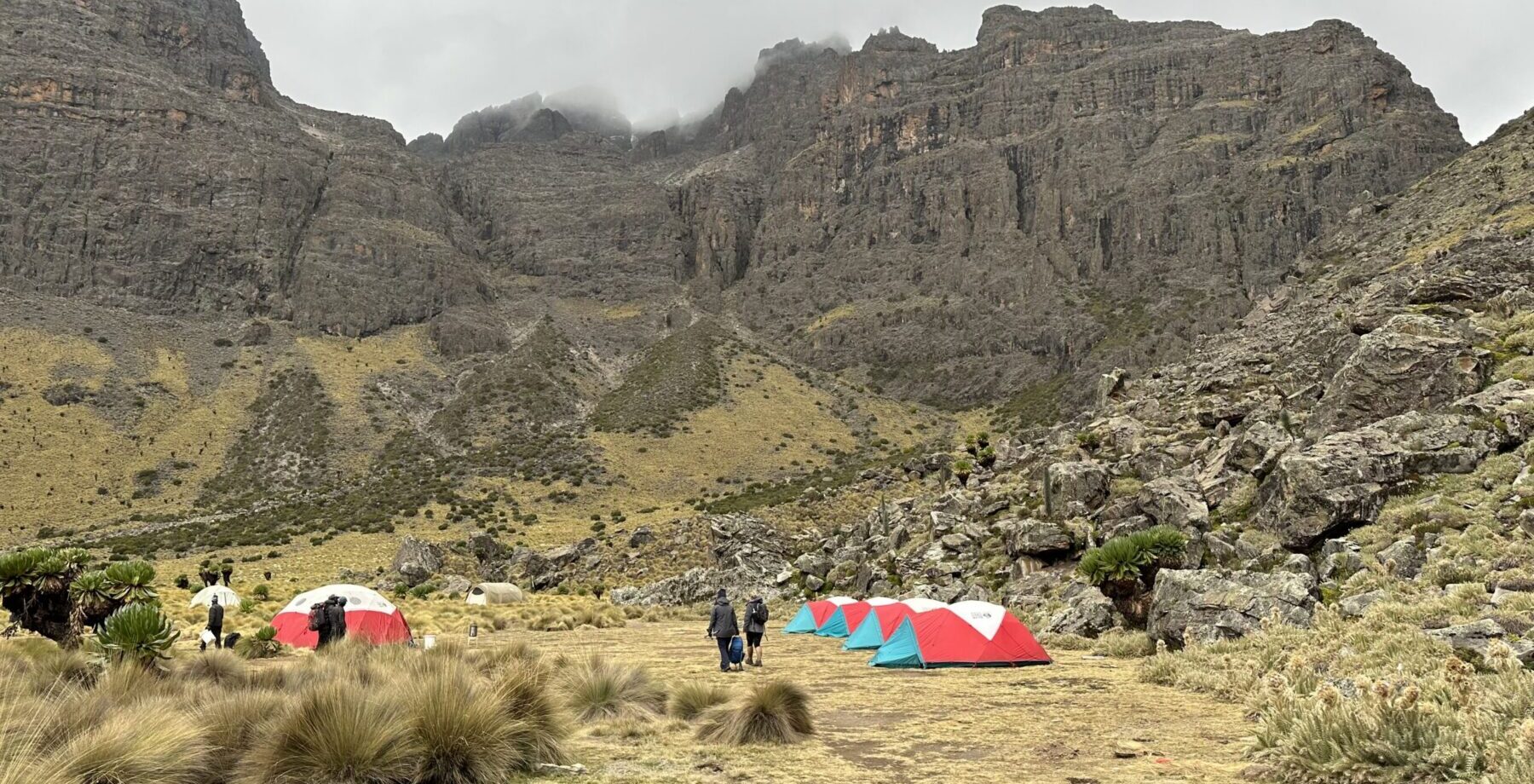 By uniting participants with a shared commitment to your cause, these journeys create opportunities for deeper connections and meaningful conversations. In turn, the trip strengthens community, inspires lifelong advocates, and amplifies the impact of your mission long after participants return home.
Book your next charity challenge with us to to turn a meaningful adventure into lasting impact for your cause.
For more free tips on strategic journeys, sign up for Elevate’s monthly educational newsletter. We share monthly research, tools, strategies, and webinars to help you leverage travel and events to achieve your institutional goals.
